Water entering your basement through foundation walls can lead to damp surfaces, water stains, musty odors, and damage to stored belongings and interior finishes. For homeowners in Massachusetts, heavy rainfall, snowmelt, groundwater pressure, and freeze-thaw cycles can all contribute to basement moisture problems.
The key to solving the problem is identifying where the water is coming from and why it is entering the foundation. Simply painting over damp walls or sealing visible cracks may not resolve the underlying issue.
In this guide, we will explain common causes of foundation wall leaks, practical steps you can take to reduce water intrusion, and when professional waterproofing may be necessary.
What Causes Water to Enter Through Basement Foundation Walls?
Before choosing a solution, it is important to understand how water reaches your basement.
1. Foundation Cracks
Cracks in poured concrete or masonry foundation walls can create pathways for water to enter. Some cracks develop as concrete naturally shrinks, while others may be associated with settlement, soil pressure, or structural movement.
If water repeatedly appears along a crack, the area should be assessed to determine the appropriate repair.
2. Poor Drainage Around the Foundation
When rainwater collects near your home’s foundation, it can increase the amount of moisture surrounding basement walls. Clogged gutters, improperly directed downspouts, and ground that slopes toward the house can contribute to this problem.
Improving drainage may help reduce the amount of water reaching the foundation.
3. Groundwater Pressure
Water in the soil surrounding your home can create pressure against foundation walls. During prolonged rainfall or periods of elevated groundwater, this pressure may contribute to water entering through cracks, joints, and other vulnerable areas.
Recurring leaks during wet weather may indicate that the problem requires more than a surface-level repair.
4. Porous Concrete, Brick, or Mortar
Concrete and masonry materials can absorb moisture. When waterproofing protection has deteriorated or moisture exposure is persistent, water may pass through the foundation wall and leave damp patches or mineral deposits.
This is particularly important in older homes with aging masonry or deteriorating mortar joints.
5. Damaged or Missing Waterproofing Protection
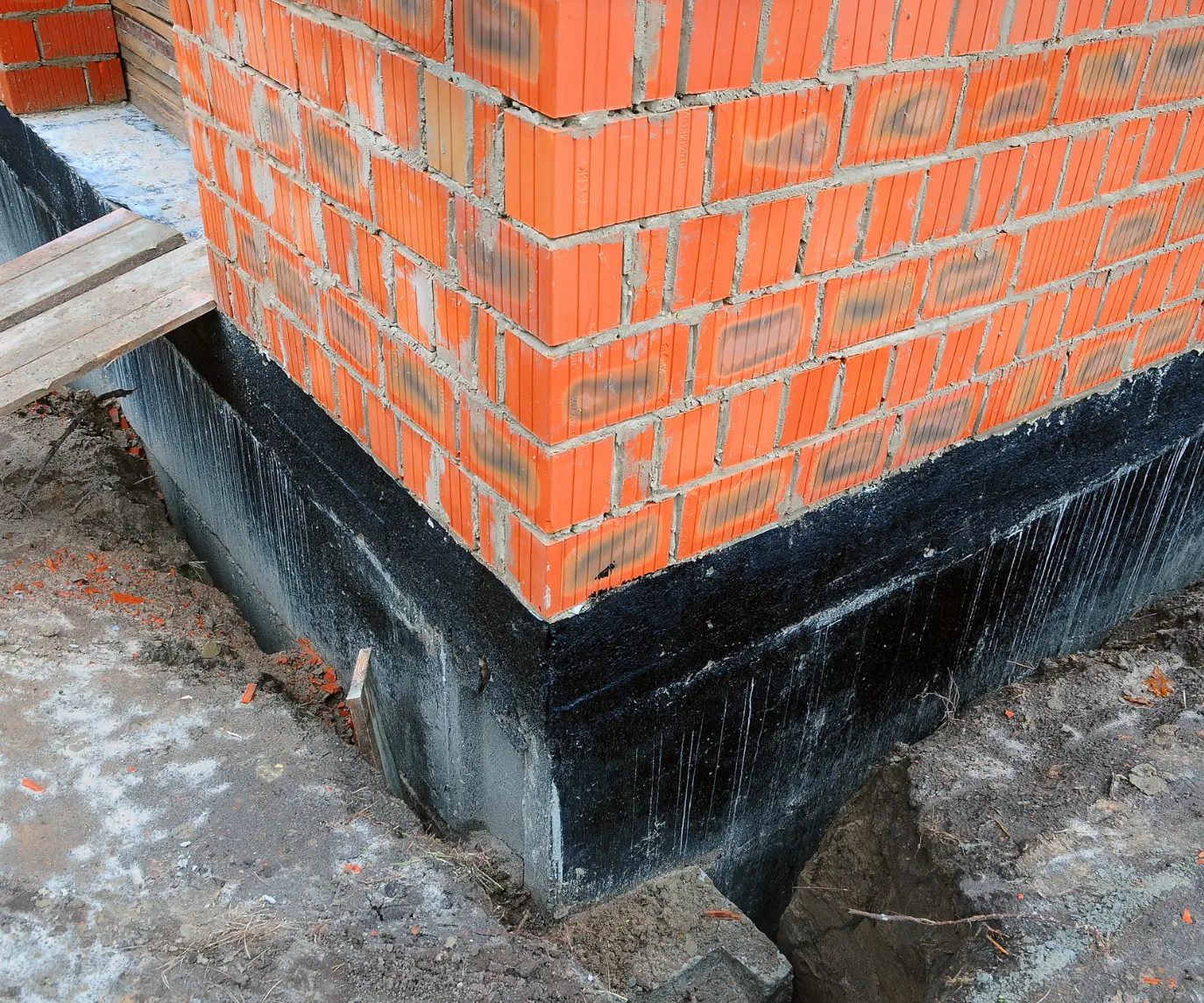
Exterior foundation waterproofing materials can deteriorate over time. If the protective layer is damaged or incomplete, moisture may reach the foundation more easily.
The appropriate repair depends on the condition of the foundation and whether the water is entering through the wall, a crack, or another part of the basement.
7 Ways to Stop Water From Entering Your Basement
1. Clean Your Gutters and Extend Downspouts
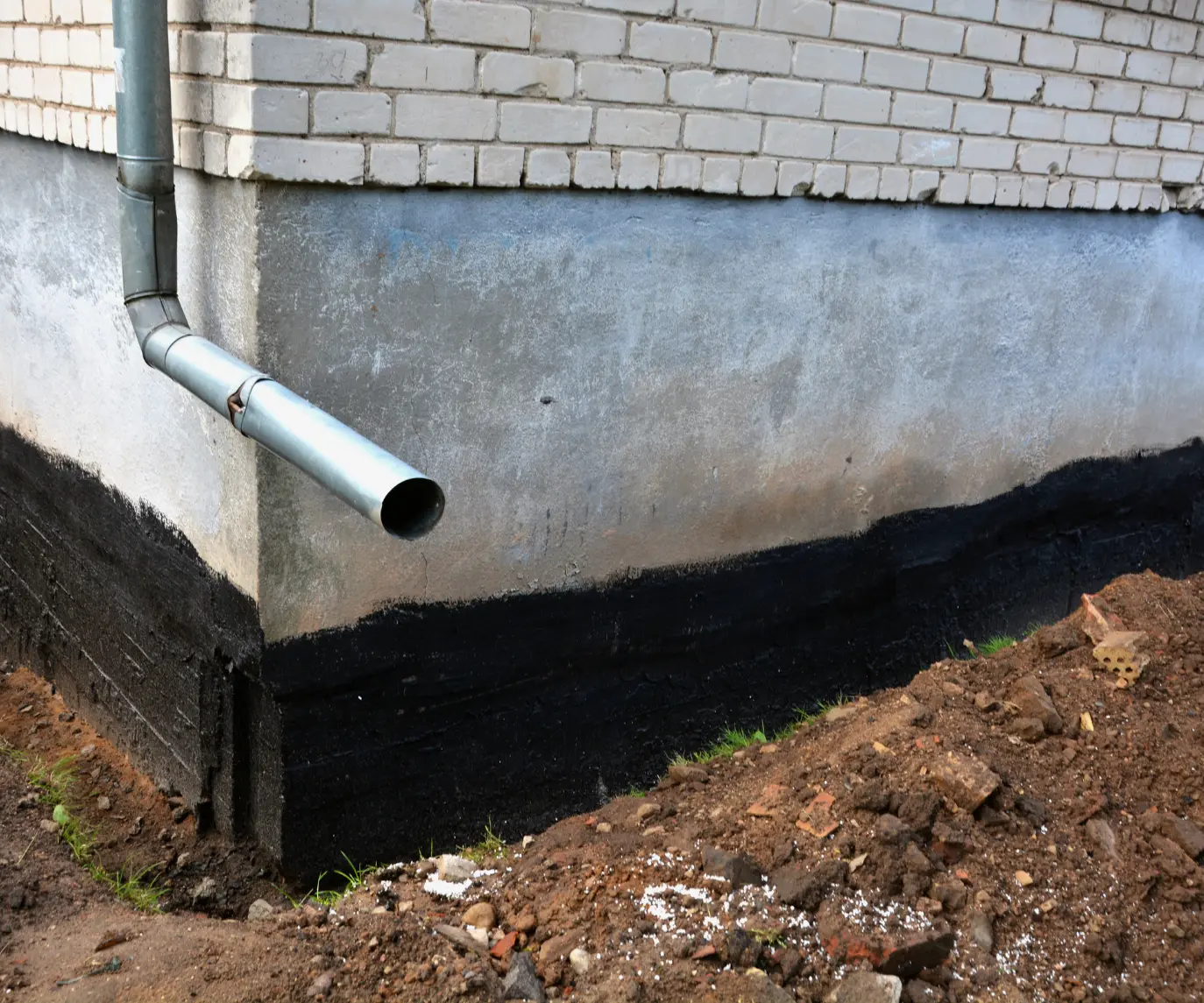
Gutters and downspouts help direct rainwater away from your home’s foundation. When they become clogged or discharge water directly beside the house, excess moisture can collect near basement walls.
Clean gutters regularly and ensure downspouts direct water away from the foundation toward an appropriate drainage area. Avoid directing water onto neighboring properties or areas where it could create another drainage problem.
2. Improve the Ground Slope Around Your Home
The ground immediately surrounding your home should generally direct surface water away from the foundation rather than toward it.
Look for low spots where rainwater collects or areas where the soil slopes toward the house. Correcting these conditions may help reduce the amount of water reaching the foundation.
If drainage problems persist, consider having the grading and surrounding drainage conditions professionally evaluated.
3. Inspect and Repair Foundation Cracks
Visible cracks deserve attention, particularly when they allow water to enter during rainfall. Depending on the crack’s cause and condition, an appropriate repair may involve crack injection, sealing, masonry repair, or further structural evaluation.
Avoid assuming every crack can be fixed with the same product. Horizontal cracks, widening cracks, or cracks accompanied by bowing or shifting walls may indicate structural concerns that require prompt professional assessment.
4. Consider Interior Waterproofing
Interior waterproofing can help manage water that reaches the inside of a basement. Depending on the property’s conditions, an interior system may include drainage channels, a collection basin, and a sump pump to collect and discharge water.
These systems can be useful when water enters along foundation walls or at the wall-floor joint. However, the appropriate system depends on the source of the water, the basement layout, and existing drainage conditions.
5. Evaluate Exterior Foundation Waterproofing
Exterior waterproofing aims to reduce water penetration before it passes through the foundation wall. Depending on the property, the work may involve excavation, surface preparation, crack repairs, and the application of suitable waterproofing materials.
This approach can be appropriate when the exterior foundation requires additional moisture protection. Because excavation and access requirements vary, a professional assessment can help determine whether exterior waterproofing is necessary.
6. Address Water Entering at Wall-Floor Joints
Sometimes water appears where the basement wall meets the floor rather than through the middle of the wall. This can be associated with groundwater pressure, foundation drainage conditions, or water moving through joints.
The right solution depends on the source of the water. Interior drainage, sump pump systems, or other corrective measures may be appropriate after the conditions have been assessed.
7. Get Persistent Moisture Problems Professionally Assessed
If water continues to enter despite improvements to gutters and surface drainage, the problem may involve foundation cracks, groundwater pressure, or deteriorated waterproofing protection.
A professional assessment can help identify the likely source of the water and determine whether localized repairs, drainage improvements, or a more comprehensive waterproofing solution is appropriate.
For additional information about available options, visit Baystate Masonry and Waterproofing’s waterproofing services page.
Why Basement Waterproofing Matters in Massachusetts
Massachusetts homes experience seasonal rainfall, snow accumulation, spring snowmelt, and freezing temperatures. These conditions can place additional moisture-related stress on foundations and masonry.
When water repeatedly enters through foundation walls, it can damage interior finishes, affect stored belongings, and contribute to persistent dampness. Moisture may also create conditions that encourage mold growth if the problem is not addressed.
Effective waterproofing begins with identifying the source of the water rather than treating only the visible symptoms. Depending on the property, the solution may involve drainage improvements, foundation crack repairs, interior waterproofing, exterior waterproofing, or related masonry work.
If you are experiencing recurring basement leaks, explore our waterproofing services in Massachusetts to learn more about potential solutions.
Frequently Asked Questions
Can water seep through concrete basement walls?
Yes. Concrete can absorb moisture, and water may enter through cracks, joints, or areas where waterproofing protection has deteriorated. The appropriate solution depends on the source and severity of the moisture.
Will sealing foundation cracks stop basement leaks?
Sealing may resolve some localized leaks, but it will not necessarily address groundwater pressure, poor drainage, or other underlying causes. The crack should be evaluated before choosing a repair method.
Is interior or exterior waterproofing better for foundation walls?
Neither option is best for every property. Interior systems generally manage water that reaches the basement, while exterior waterproofing aims to reduce water penetration through the foundation wall. The appropriate choice depends on the source of the water and the property’s condition.
Why does my basement leak only when it rains?
Heavy rainfall can saturate the soil around your foundation and increase water pressure against basement walls. Poor drainage, clogged gutters, foundation cracks, and deteriorated waterproofing can contribute to rain-related leaks.
When should I contact a waterproofing contractor?
Contact a professional if you notice recurring leaks, persistent dampness, water stains, or cracks that allow water to enter. Seek prompt evaluation if cracks are widening or the foundation wall appears to be bowing or shifting.
Protect Your Basement From Water Intrusion
Water entering through foundation walls should not be ignored. Identifying the cause early can help you choose the right repair and reduce the risk of further moisture-related damage.
Baystate Masonry and Waterproofing helps Massachusetts property owners address waterproofing and masonry concerns. Contact our team to discuss your basement’s condition and request an estimate.
Call (617) 212-0405 to get started.