As temperatures drop across Massachusetts, basements can become more vulnerable to moisture problems caused by heavy rain, groundwater, melting snow, and freezing conditions. Addressing early warning signs before winter can help homeowners identify potential issues and prevent existing water problems from getting worse.
Basement moisture does not always begin with standing water. Damp walls, musty odors, peeling paint, and small cracks can all indicate that moisture is entering your basement or that humidity levels need attention.
In this guide, we will cover seven signs that your basement may need waterproofing before winter and explain when it makes sense to contact a professional.
1. Damp or Wet Basement Walls
Damp basement walls are one of the earliest signs of a potential moisture problem. You may notice dark patches, water stains, or areas that feel damp to the touch, especially after periods of heavy rain.
Moisture can enter through porous concrete, deteriorating mortar, foundation cracks, or other openings. During winter, freezing temperatures and repeated freeze-thaw cycles can contribute to deterioration in vulnerable masonry.
What to do: Check your basement walls for recurring damp spots and discoloration. If the moisture returns after cleaning or drying, consider having the affected area professionally assessed. Appropriate basement waterproofing solutions can help address water intrusion, depending on its source.
2. Water Seeping Through Foundation Cracks
Small foundation cracks can sometimes allow water to enter your basement, particularly during heavy rainfall or when groundwater levels rise. You may notice thin water trails, damp areas near cracks, or small puddles along the base of a wall.
Not every foundation crack indicates a serious structural problem. However, widening cracks, recurring leaks, or cracks accompanied by wall movement deserve prompt attention.
What to do: Monitor visible cracks and look for signs of active water entry. Avoid assuming that a surface sealant will solve every problem. A professional assessment can help determine whether the crack needs repair, waterproofing, or further structural evaluation.
3. A Persistent Musty Smell
A musty odor can indicate excess moisture in your basement, even when you cannot see standing water. Damp building materials, poorly ventilated areas, and hidden moisture can contribute to unpleasant smells and may create conditions that support mold growth.
You might notice the odor becoming stronger after rainfall or when the basement remains closed for extended periods.
What to do: Look for moisture around stored belongings, cardboard boxes, carpets, and basement walls. Improve ventilation where appropriate and investigate any persistent dampness. If mold is present, the moisture source should be addressed, and professional remediation may be necessary.
4. Peeling Paint or Bubbling Wall Finishes
Paint that bubbles, flakes, or peels away from basement walls can be a sign that moisture is affecting the surface. You may also notice white, powdery deposits known as efflorescence. These deposits form when water carries dissolved minerals through masonry and leaves them behind as it evaporates.
Although these signs do not always indicate active water leaks, they are worth investigating when they appear alongside dampness or water stains.
What to do: Avoid repainting the affected area before identifying the underlying cause. If moisture continues to pass through the wall, a fresh coat of paint may not last. An assessment can help determine whether masonry repairs or a suitable waterproofing solution is needed.
5. Water Pooling on the Basement Floor
Standing water on your basement floor is a more obvious warning sign. Water may appear after heavy rainfall, snowmelt, or periods of high groundwater. It may collect near foundation walls, floor joints, or low spots in the basement.
Recurring water should not be ignored, as it can damage stored belongings, flooring, and other materials. It may also indicate a drainage problem or water entering through the foundation.
What to do: Keep electrical equipment away from standing water and address any immediate safety concerns. If water is near electrical outlets or appliances, do not enter the affected area until it has been assessed as safe. Arrange a professional inspection to identify the source and determine whether drainage improvements or waterproofing work is appropriate.
6. Water Entering After Heavy Rain
Does your basement become damp or develop leaks whenever it rains heavily? The problem may be related to how water drains around your property.
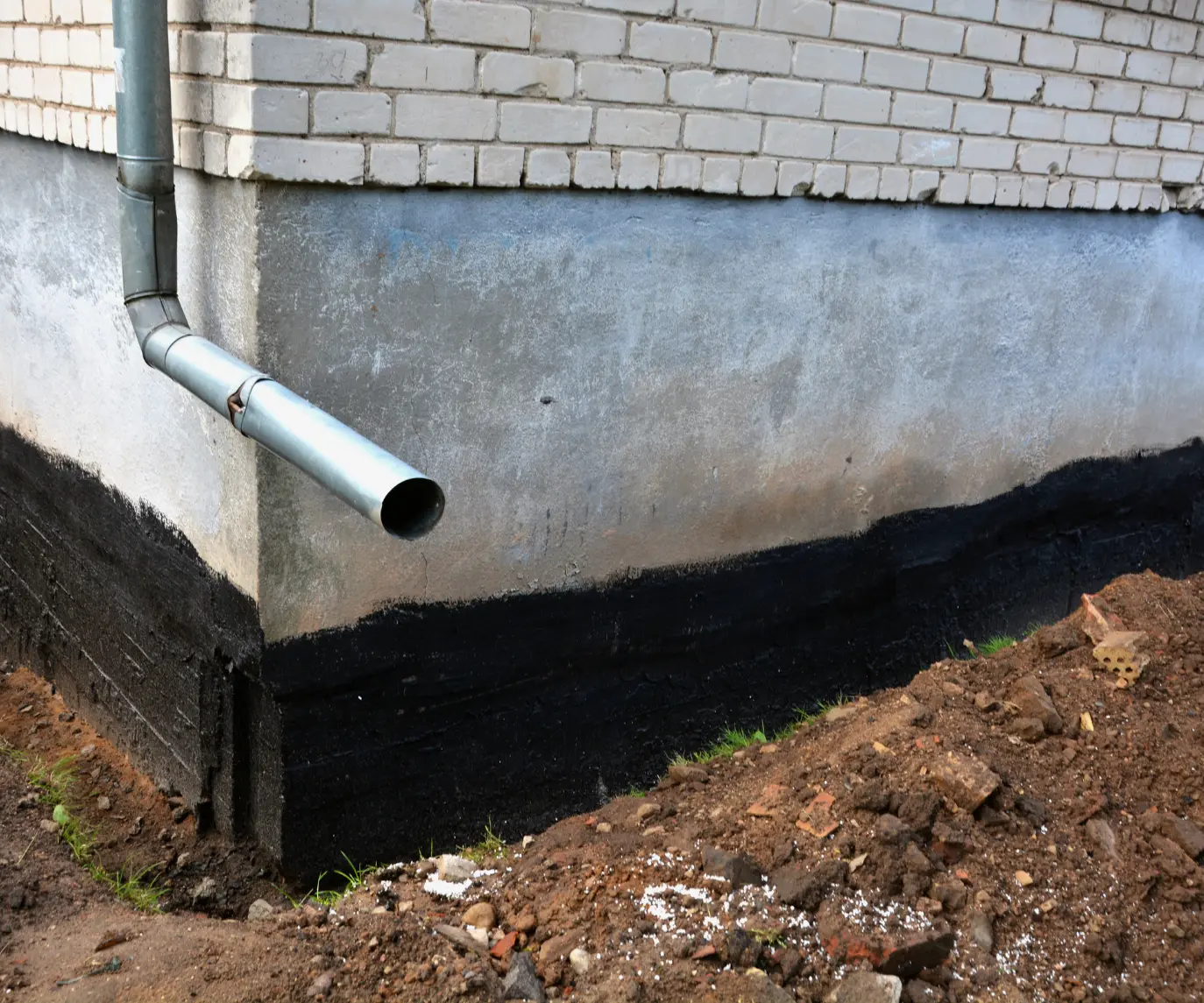
Clogged gutters, short downspouts, poor grading, and water collecting near the foundation can contribute to basement moisture. In some cases, groundwater pressure or openings in foundation walls may also be involved.
Before winter, these concerns deserve attention because snowmelt and changing weather conditions can introduce additional moisture.
What to do: Check whether gutters and downspouts are directing water away from the foundation and look for areas where rainwater collects near your home. For recurring leaks, a professional assessment can help identify whether the issue involves surface drainage, foundation conditions, or the need for a more comprehensive waterproofing approach.
For additional guidance, visit our waterproofing services page to learn more about moisture protection options for your property.
7. Your Basement Has a History of Winter Water Problems
If your basement has leaked during previous winters or developed damp spots during the spring thaw, those problems may return when similar conditions occur.
Repeated moisture exposure can affect concrete, mortar, stored belongings, and interior finishes. Freezing and thawing can also contribute to deterioration in already vulnerable masonry. Previous leaks are especially worth investigating if they have never been properly diagnosed.
What to do: Review where water appeared during previous seasons and whether the problem occurred after rain, snowmelt, or prolonged cold weather. Share these details during a professional inspection so the likely source can be investigated before the next winter season.
Why Basement Waterproofing Before Winter Matters
Preparing your basement before winter is about more than keeping the floor dry. Identifying moisture problems early can help you understand what is causing them and determine which repairs or protective measures are appropriate.
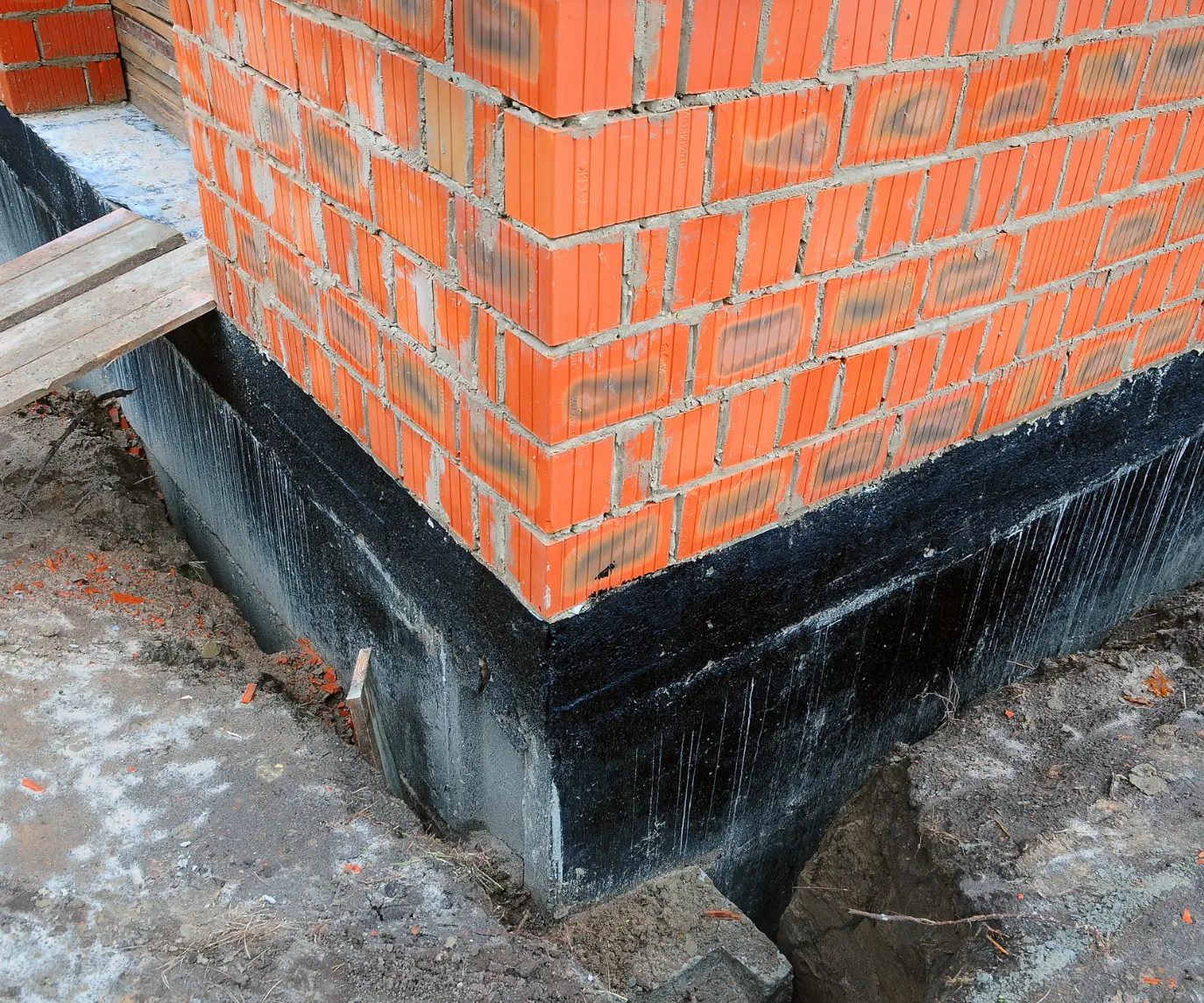
Depending on your property’s condition, the solution may involve foundation crack repair, drainage improvements, interior waterproofing, exterior foundation waterproofing, or masonry repairs. Not every basement needs the same system, so the source of the moisture should guide the recommendation.
If you have noticed any of the warning signs discussed above, explore our waterproofing services in Massachusetts to learn how Baystate Masonry and Waterproofing can help assess your property’s moisture concerns.
Frequently Asked Questions
When should I waterproof my basement before winter?
It is sensible to investigate recurring leaks, damp walls, and foundation moisture before freezing weather arrives. The appropriate timing depends on the problem and the work required.
Can basement water problems get worse during winter?
They can. Snowmelt, changing groundwater conditions, and freeze-thaw cycles may aggravate existing moisture problems or contribute to masonry deterioration. The actual risk depends on the property’s drainage and foundation conditions.
Does every basement leak require waterproofing?
No. Some leaks may be caused by drainage issues, damaged gutters, foundation cracks, or other localized problems. Identifying the source helps determine whether waterproofing, a specific repair, or another corrective measure is appropriate.
How do I know which waterproofing solution my basement needs?
A professional assessment can help identify where moisture is entering and whether the problem involves drainage, foundation cracks, porous masonry, or another cause. The recommended solution should reflect those findings.
Protect Your Basement Before Winter
Damp walls, foundation cracks, musty odors, and recurring leaks can be early warnings that your basement needs attention. Addressing these signs before winter may help you avoid further deterioration and make informed decisions about protecting your property.
Baystate Masonry and Waterproofing helps Massachusetts property owners address basement and foundation moisture concerns. Contact our team to discuss your situation and request an estimate.
Call Baystate Masonry and Waterproofing at (617) 212-0405 to get started.