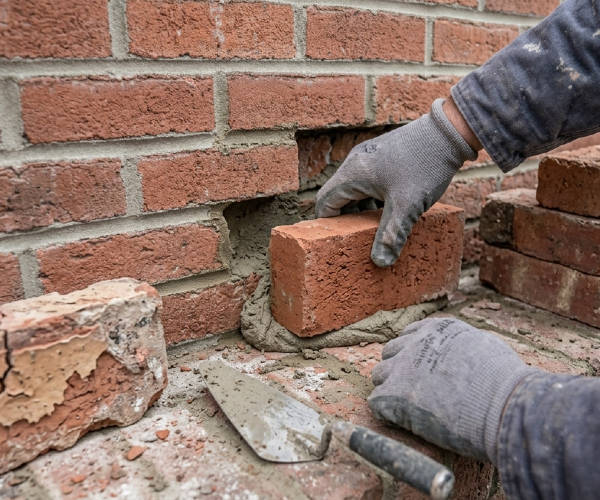
Loose bricks on your home are more than a cosmetic concern. A brick that has shifted, cracked, or separated from the surrounding mortar can allow moisture into the wall and lead to further deterioration. Professional Masonry services in MA can help determine whether the problem is limited to one brick or indicates a larger issue with the surrounding masonry. For Massachusetts homeowners, addressing loose bricks early can help prevent additional damage caused by rain, snow, ice, and repeated freeze-thaw cycles.
Why Do Bricks Become Loose?
Bricks can become loose for several reasons, and identifying the cause is important before deciding on a repair.
Common causes include:
- Deteriorating or missing mortar
- Water infiltration
- Freeze-thaw cycles
- Cracked or damaged bricks
- Foundation movement
- Poor drainage
- Age-related deterioration
- Previous improper repairs
Mortar joints are particularly vulnerable to moisture and temperature changes. As mortar deteriorates, bricks can lose the support they need to remain securely in place.
Water can make the situation worse. When moisture enters cracks or deteriorated mortar and freezes, it expands and places additional pressure on the surrounding masonry.
When Do You Need Masonry Repair?
A loose brick should be evaluated when it moves, has separated from the wall, is cracked, or is surrounded by deteriorating mortar.
If the damage is localized and the surrounding wall remains stable, a professional mason may be able to repair the affected area without rebuilding the entire wall.
Depending on the condition, masonry repair may involve:
- Removing loose bricks
- Replacing cracked or damaged bricks
- Repointing deteriorated mortar
- Repairing localized cracks
- Addressing moisture intrusion
- Restoring damaged sections of brickwork
The appropriate repair depends on the condition of the brick, mortar, and surrounding structure.
Signs Your Loose Bricks Need Immediate Attention
Some masonry problems can wait for a scheduled inspection, while others deserve prompt attention.
Multiple Loose Bricks
If several bricks are loose in the same area, the problem may extend beyond individual bricks. Deteriorating mortar, moisture damage, or structural movement could be affecting the wall.
Crumbling or Missing Mortar
Mortar that is crumbling, recessed, or missing can leave bricks without adequate support. Repointing may be needed to restore the affected joints.
Cracked Bricks
Cracked bricks can allow moisture into the masonry. Multiple cracked bricks may indicate a broader deterioration problem that should be professionally assessed.
Bulging or Leaning Walls
A wall that appears to bow, bulge, or lean can indicate movement or structural deterioration. Avoid attempting to repair these areas without professional evaluation.
Water Stains or White Deposits
Water stains and white mineral deposits, known as efflorescence, can indicate moisture moving through the masonry. Finding and addressing the source of moisture can be important for a lasting repair.
What Do Masonry Services in MA Include?
The right masonry service depends on the type and extent of damage.
For an isolated loose brick, a mason may carefully remove the damaged material, prepare the surrounding area, and replace or reset the brick using appropriate materials.
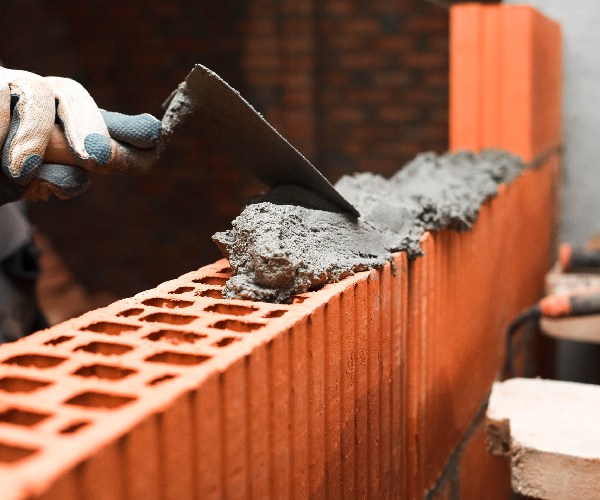
If the surrounding mortar has deteriorated, repointing may be necessary. This process involves removing damaged mortar from the joints and replacing it with new mortar.
More extensive deterioration may require masonry restoration or rebuilding of a larger section.
Professional masonry repair services can help determine whether your home needs a localized repair or a more comprehensive solution.
Why Massachusetts Weather Can Make Loose Bricks Worse
Massachusetts homes are exposed to rain, snow, ice, and significant temperature fluctuations throughout the year.
Moisture can enter small cracks and deteriorated mortar joints. When temperatures fall below freezing, trapped water can expand. Repeated freezing and thawing can gradually contribute to cracking, spalling, and further mortar deterioration.
This is one reason homeowners should not ignore loose or damaged bricks.
A small repair may become more extensive if moisture continues entering the masonry. Addressing the problem early can help protect surrounding brickwork and reduce the possibility of additional deterioration.
Can You Repair Loose Bricks Yourself?
A homeowner may notice a loose brick and assume it can simply be removed and put back into place. However, proper masonry repair involves more than resetting a brick.
The condition of the surrounding mortar, brickwork, wall stability, moisture exposure, and underlying cause should all be considered.
Using the wrong mortar or repair technique can also create problems. Older masonry, in particular, may require materials and methods that are compatible with the existing construction.
For significant deterioration, multiple loose bricks, cracking, or wall movement, professional evaluation is recommended.
How Can You Prevent Loose Bricks?
Regular inspection and maintenance can help identify masonry problems before they become more extensive.
Check your home’s exterior periodically for:
- Loose or displaced bricks
- Cracked or missing mortar
- Cracked bricks
- Water stains
- Crumbling masonry
- Bulging walls
- Vegetation growing in mortar joints
- Deterioration around windows and doors
You should also keep gutters and downspouts clear and make sure water is directed away from the foundation.
If you notice masonry deterioration, having it evaluated early can help you understand the cause and determine the appropriate repair.
Frequently Asked Questions
Are loose bricks a serious problem?
A single loose brick may be a localized issue, but it should not automatically be ignored. Multiple loose bricks, deteriorating mortar, water intrusion, or wall movement can indicate a more significant masonry problem.
Can loose bricks be repaired without rebuilding the wall?
Often, yes. If the damage is localized and the surrounding masonry is stable, individual bricks and mortar joints can often be repaired without rebuilding the entire wall.
Why are the bricks on my house becoming loose?
Loose bricks can result from deteriorating mortar, moisture, freeze-thaw cycles, damaged bricks, structural movement, or previous improper repairs. A professional inspection can help determine the cause.
Should loose bricks be repaired before winter?
If bricks are already loose or mortar is deteriorating, having the problem evaluated before winter can help reduce the risk of additional damage from moisture and freezing temperatures.
How long does masonry repair last?
The lifespan of a masonry repair depends on the condition of the existing structure, materials used, workmanship, moisture exposure, and underlying cause of the damage. Properly addressing the cause can help improve the durability of the repair.
Need Masonry Repair for Your Home?
Loose bricks, cracked mortar, and deteriorating masonry should not be ignored. What appears to be a small problem may become more extensive when moisture and Massachusetts freeze-thaw conditions continue to affect the wall.
Baystate Masonry and Waterproofing provides professional masonry repair for your home and can help determine the right approach for damaged brickwork and other masonry concerns.
If you have loose, cracked, or deteriorating bricks, contact Baystate Masonry and Waterproofing today to schedule an evaluation and find the right solution for your home.