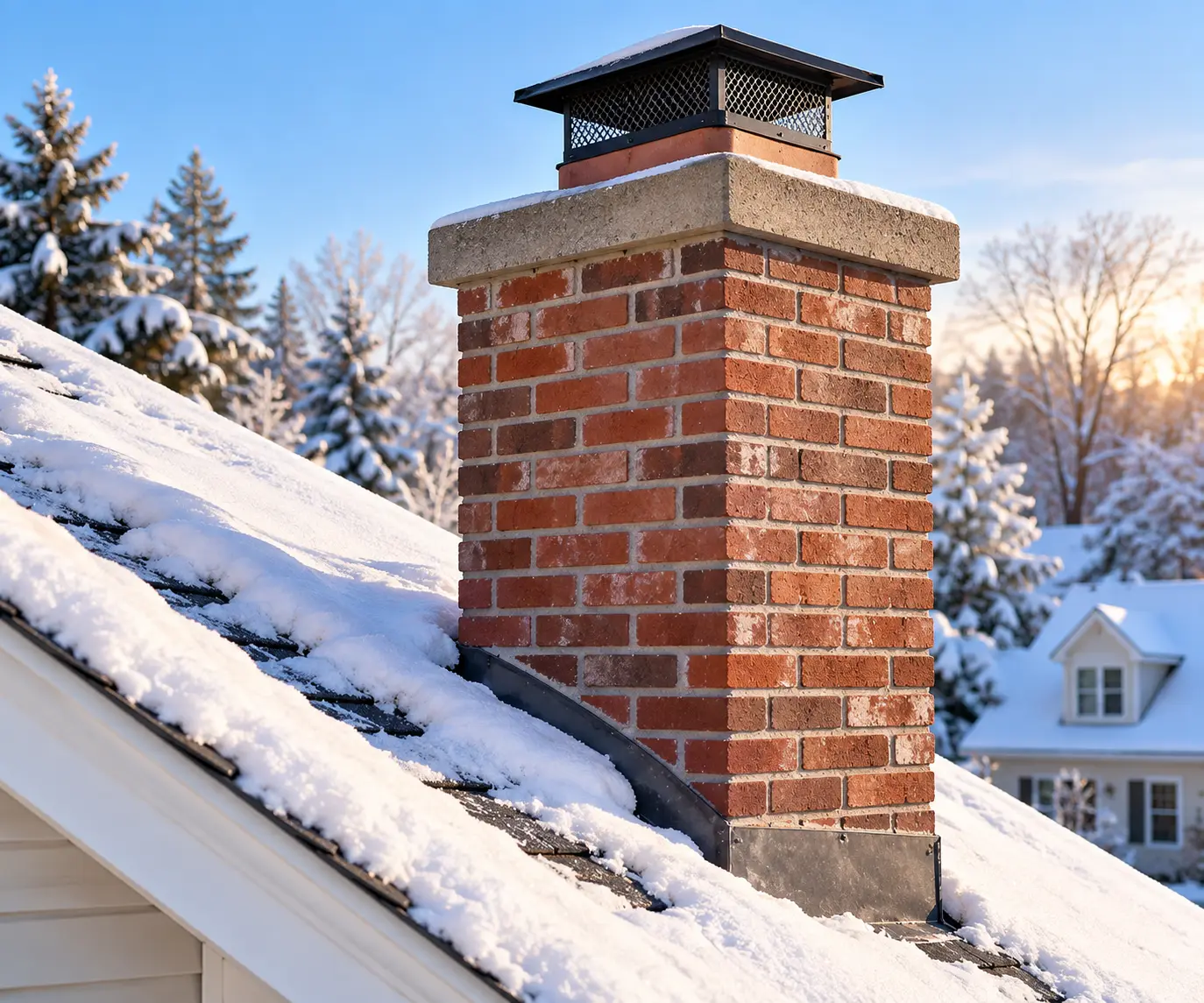
Massachusetts winters can be hard on your home’s exterior, and your chimney is one of the areas most exposed to snow, ice, freezing temperatures, and moisture. Small masonry problems that seem harmless in the fall can become more serious once winter arrives.
Scheduling professional Chimney Services before winter can help identify damaged masonry, water intrusion, deteriorated mortar, and other problems before they lead to costly repairs. A pre-winter inspection also gives homeowners time to address issues before harsh weather makes chimney work more difficult.
Why Chimney Maintenance Matters Before Winter
Your chimney is exposed to the elements throughout the year. Rain can penetrate cracks and deteriorated mortar, while freezing temperatures can cause trapped moisture to expand inside masonry.
This freeze-thaw cycle can gradually damage bricks and mortar. If existing damage is not addressed before winter, the problem may become more extensive.
Professional chimney maintenance can help identify:
- Cracked or loose bricks
- Deteriorated mortar joints
- Damaged chimney crowns
- Cracked chimney caps
- Water leaks
- Damaged flashing
- Signs of structural deterioration
Addressing these problems early can help protect your chimney and reduce the risk of emergency repairs during the winter months.
Common Chimney Problems to Check Before Winter
Cracked or Deteriorated Mortar
Mortar joints can deteriorate over time due to moisture and repeated temperature changes. When mortar begins to crack or crumble, water can enter deeper into the chimney structure.
Repointing damaged joints can help restore the masonry and prevent additional moisture from getting inside.
Damaged or Missing Bricks
Bricks can crack, spall, or become loose after years of exposure to Massachusetts weather. Damaged bricks should be evaluated to determine whether they can be replaced individually or whether more extensive masonry work is needed.
If you notice loose bricks around your chimney, professional masonry services can help determine the appropriate repair.
Chimney Crown Cracks
The chimney crown helps direct water away from the masonry. Cracks or deterioration in the crown can allow water to enter the chimney.
Before winter arrives, inspect the crown for visible cracks, missing sections, or signs of water damage. A professional can determine whether the crown needs repair or replacement.
Damaged Flashing
Flashing creates a seal between your chimney and the roof. When flashing becomes damaged or deteriorated, water can enter around the base of the chimney and potentially cause interior leaks.
Water stains around the chimney or on the ceiling near it can be a warning sign that the flashing needs attention.
How Massachusetts Winter Weather Affects Chimneys
Massachusetts experiences repeated freezing and thawing during winter. When moisture enters small cracks in bricks or mortar and freezes, it expands. Repeated cycles can gradually widen cracks and weaken masonry.
Snow and ice can also increase moisture exposure. If your chimney already has damaged mortar, cracked bricks, or a deteriorated crown, winter weather can accelerate the deterioration.
This is why addressing minor problems during the fall can be much easier than waiting until the damage becomes more severe.
Signs Your Chimney Needs Professional Attention
Not every chimney problem is immediately obvious. Homeowners should look for visible warning signs before winter, including:
- Cracked bricks
- Missing or crumbling mortar
- White staining on masonry
- Water stains near the chimney
- Loose masonry pieces
- Cracks around the chimney crown
- Damaged flashing
- A leaning chimney
- Pieces of brick or mortar collecting near the chimney
If you notice any of these issues, it is better to have the chimney evaluated rather than assume the problem is minor.
What Professional Chimney Services Can Include
Depending on the condition of your chimney, a professional contractor may recommend several different services.
Chimney Repair
Localized damage such as cracked bricks, deteriorated mortar, or minor crown damage may be repairable without rebuilding the entire chimney.
Chimney Repointing
Repointing replaces deteriorated mortar joints and can help prevent moisture from penetrating the masonry.
Chimney Crown Repair
A damaged crown can be repaired to help direct water away from the chimney structure.
Chimney Masonry Repair
Damaged or loose bricks can often be replaced to restore the appearance and structural integrity of the chimney.
Chimney Waterproofing
Waterproofing can provide additional protection against moisture penetration when the chimney masonry is otherwise in good condition.
Why You Should Not Wait Until Winter
Waiting until winter to address chimney problems can create several challenges. Cold temperatures, snow, and ice can make exterior masonry work more difficult and may allow existing damage to worsen.
A small repair completed in the fall may prevent a much larger repair later. More importantly, identifying structural or water-related problems early can help protect other parts of your home from moisture damage.
Planning chimney services in MA before winter gives homeowners an opportunity to address problems while weather conditions are generally more favorable for exterior work.
How to Prepare Your Chimney for Winter
A simple pre-winter checklist can help you stay ahead of potential problems:
- Look for cracked or loose bricks.
- Check the mortar joints for deterioration.
- Inspect the chimney crown for visible cracks.
- Look for damaged flashing around the roof.
- Check for signs of water intrusion.
- Have visible problems professionally inspected.
- Complete necessary repairs before severe winter weather arrives.
Regular maintenance does not guarantee that a chimney will never develop problems, but it can help catch issues before they become more expensive.
Frequently Asked Questions
When should I schedule chimney services before winter?
Fall is generally a good time to have your chimney inspected and address necessary repairs before severe winter weather arrives.
What is the most common winter chimney problem?
Water-related masonry damage is a common concern. Moisture entering cracked bricks or deteriorated mortar can freeze and expand, causing further deterioration.
Can cracked chimney mortar get worse in winter?
Yes. Water can enter damaged mortar joints, freeze, expand, and contribute to additional cracking and deterioration.
Does every chimney need waterproofing?
Not necessarily. The right solution depends on the condition of the masonry and the level of moisture exposure. A professional evaluation can determine whether waterproofing is appropriate.
Can small chimney problems wait until spring?
It depends on the type and severity of the problem. Minor cosmetic issues may not require immediate work, but structural cracks, loose masonry, active leaks, or significant deterioration should be evaluated promptly.
Protect Your Chimney Before Massachusetts Winter
Your chimney has to withstand months of cold temperatures, snow, ice, and moisture. Taking care of visible problems before winter can help protect your masonry and reduce the risk of more extensive damage.
Baystate Masonry and Waterproofing provides professional chimney repair, masonry repair, waterproofing, and other chimney-related services for Massachusetts homeowners. If you have noticed cracks, loose bricks, deteriorated mortar, or water damage, contact our team to schedule an inspection before winter arrives.